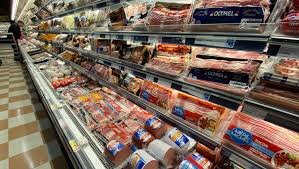
Canadians might be seeing their grocery bills inch higher with food suppliers warning grocers they will be imposing a fuel surcharge on their deliveries to grocery stores.

Meida has obtained notices sent by three of Canada’s largest food suppliers to their grocery clients — first reported on by CBC News — informing them of the surcharges.
Maple Leaf Foods sent a letter to clients on March 31, informing them that they will start charging a fuel surcharge starting April 6.
Citing “developments in the Middle East” and “a sharp increase in crude oil prices, resulting in a rapid and significant escalation in fuel costs,” the company said it would add a temporary fuel surcharge of $0.11 per kg to all prepared meats and fresh poultry shipments.
“This is not a permanent price increase, but rather a temporary adjustment tied directly to fuel cost movements,” the company said in its letter.
“We are not using this mechanism to recover other inflationary pressures such as raw materials, packaging, or ingredients,” it added.
Tree of Life, in a letter dated March 23, said they would add a fuel surcharge of $10 per shipment starting April 22.
The company said higher fuel prices “have resulted in a sustained increase in diesel fuel costs, directly impacting our logistics and distribution operations.”
Tree of Life is the Canadian subsidiary of the U.S.-based food supplier KeHE Distributors, which supplies retailers and grocers across the continent.
However, the company said it would remove the surcharge if diesel costs returned to a rolling three-month average of $1.20 per litre or lower.
According to GasBuddy, the average diesel price in Canada was $1.78 per litre on Wednesday.
Some food suppliers are also increasing their minimum order requirements.
Ontario-based meat supplier Brandt Meats told clients they will be increasing their minimum order requirement to $1,000 for all deliveries starting May 4, according to one of the letters obtained by Global News.
“Rising fuel and labour costs have significantly increased transportation expenses across our industry. Until now, Brandt Meats has absorbed these additional costs in order to minimize the impact on our customers. Unfortunately, we are no longer able to fully offset these increases and must adjust our delivery requirements,” the company said.
About The Author