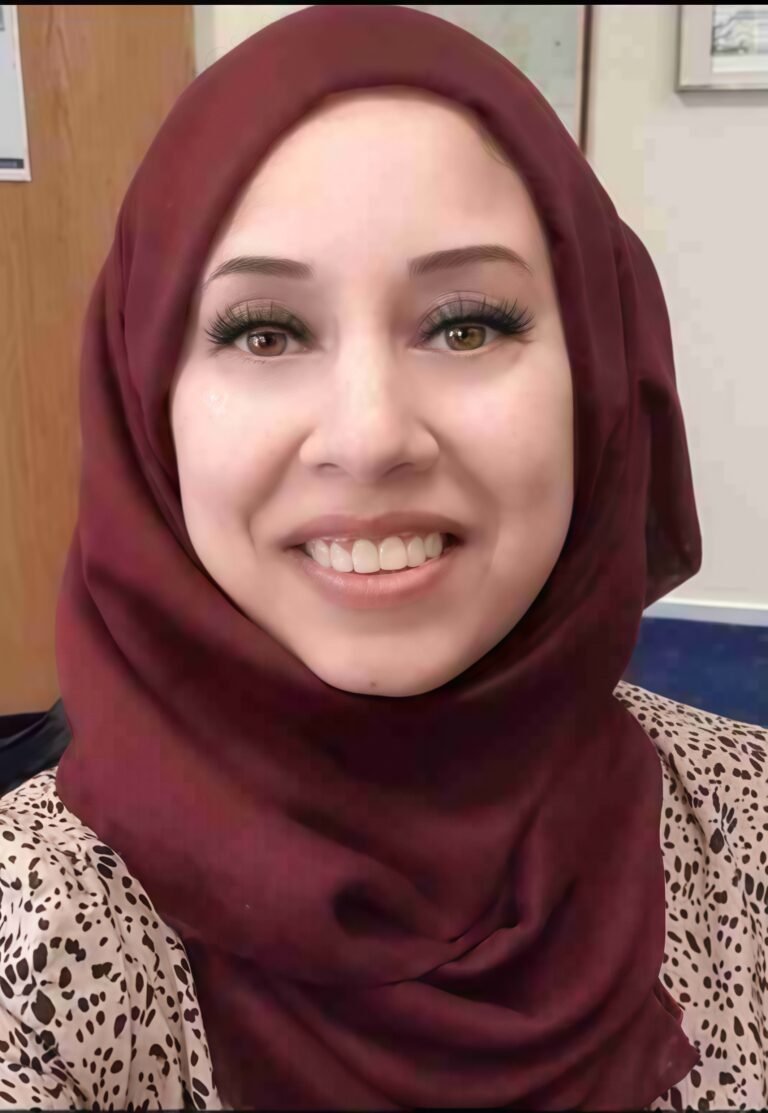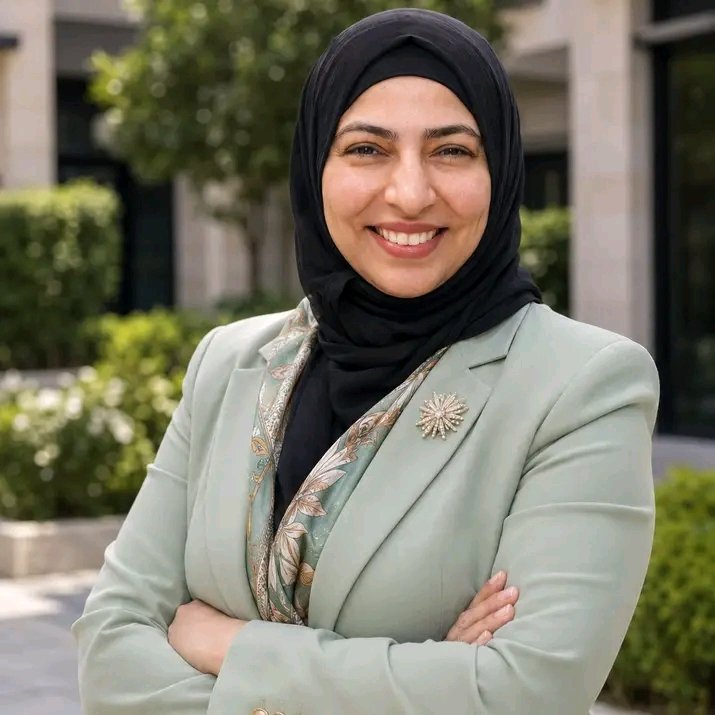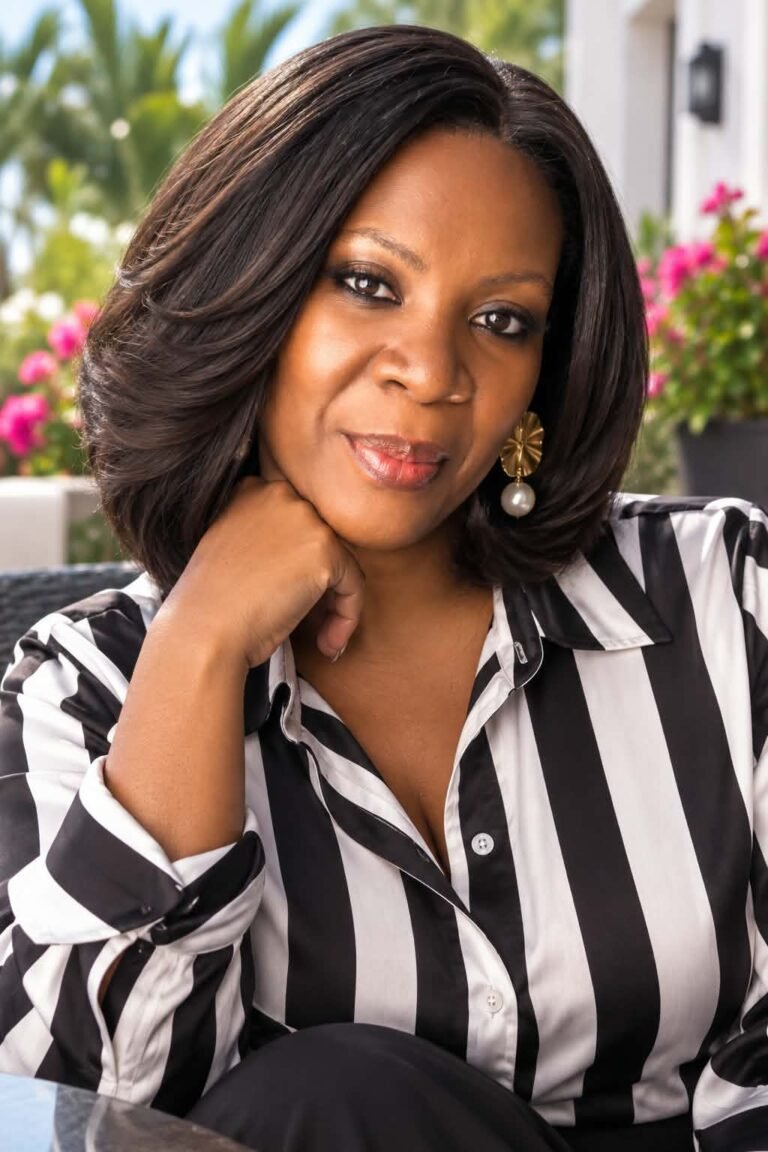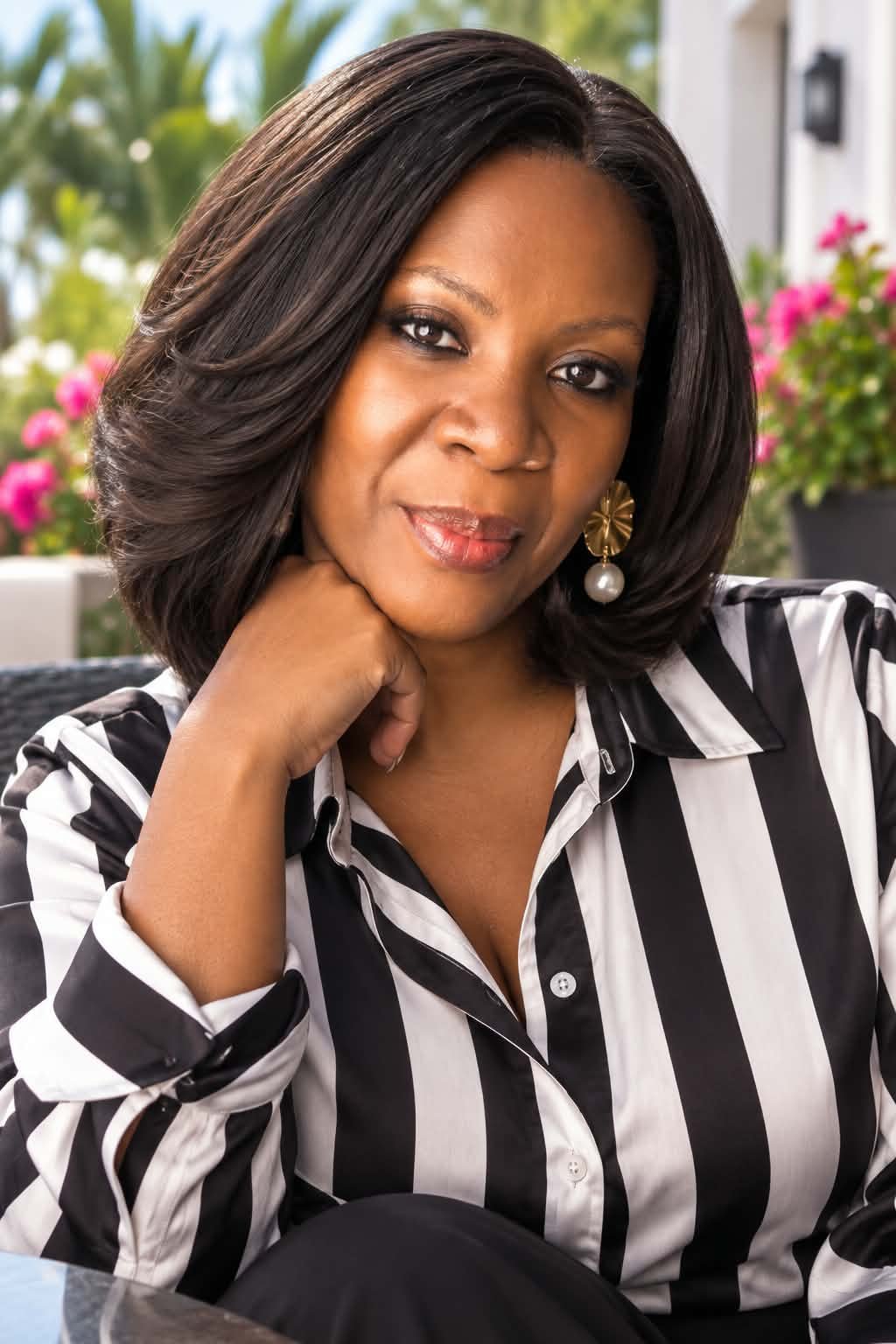
From feeding vulnerable people in Bulawayo to building classrooms and dreaming of hospitals, Amb. Dr Iris Zemza Nozizwe Mhlanga is turning compassion into infrastructure. Her next stop is Tanzania, where 52 children with special needs are waiting.
Her father named her Nozizwe – Mother of Nations. Once, it was simply the name of a young girl growing up in Bulawayo. Today it reads almost like a prophecy.
Amb. Dr Iris Zemza Nozizwe Mhlanga is a Zimbabwean humanitarian, philanthropist, author, peace ambassador and global advocate – and one of Africa’s 100 Iconic Personalities of the Year. But ask what drives her, and the answer is something every African grandmother already knows: we are not meant to rise alone. Ubuntu teaches that a person becomes fully human only through other people – and that when one of us goes hungry, unschooled or unseen, all of us are diminished.
“Umuntu ngumuntu ngabantu.”
A person is a person through other people
From a helping hand to a movement
In 2018, Mhlanga founded the Nozizwe Mother of Nations Trust, and she leads it as Founder and Executive Director. It began with humble acts of assistance in Bulawayo – ordinary people helping other ordinary people, often with the simplest of resources.
Since then, the Trust’s work has reached thousands of vulnerable people. Its programmes now span education, food security, healthcare access, disability inclusion, clean water, psychosocial support, shelter, sustainable livelihoods and the empowerment of women and children. At its centre is one conviction: every human being deserves dignity, opportunity and the chance to thrive.
For Mhlanga, humanitarian work has never been about temporary acts of kindness alone. It is about building something that lasts.
Ambassador for peace, citizen of the world
Mhlanga’s voice now carries well beyond Zimbabwe. Through her Peace Ambassador roles and her roles with the World Organisation of Ambassadors, she speaks for communities that are too often left out of the conversation – and she builds the relationships that turn concern into action.
As part of World Citizen Peace, she holds to a belief that sits naturally beside ubuntu: that before we belong to any one country, we belong to one human family. Peace, in her understanding, is not only the absence of conflict. It is a child in a classroom, a family with food on the table, and a community with clean water and a clinic within reach.
Her work has also earned international recognition. She was honoured by Iconic International Holdings as one of Africa’s 100 Iconic Personalities of the Year and received the 2026 Charitable Endeavour of the Year Award. At the She Inspires Awards, she is the current Global Shero and a 2026 Agent of Change finalist. The Trust has been recognised internationally for its work with underprivileged communities. Yet Mhlanga treats every honour as a responsibility rather than a destination. Each award makes the people she serves more visible. Each platform is another chance to tell their stories. Each relationship could become a partnership – and each partnership, another life transformed.
Next stop: Tanzania
That spirit is now carrying the Trust across the border into Tanzania. In upcoming outreaches, Mhlanga and the Nozizwe team will assist the Nazaar Foundation, a home for 52 children with special needs – a home in dire need of support.
It is a mission close to the Trust’s heart. Disability inclusion has long been one of its programme areas, and its work has included supporting children’s homes and institutions that serve vulnerable children. The outreach also reflects the way Nozizwe likes to work across borders: not arriving with ready-made answers, but walking alongside trusted local organisations that already know and love the people they serve.
We say it takes a village to raise a child. For these 52 children, that village needs to be much bigger than the walls of one home. It needs neighbours and strangers, businesses and congregations, professionals and pensioners – and readers of this magazine.
Classrooms, libraries and the power of a book
Education is one of the pillars of the Nozizwe movement. The Trust began by paying school fees and providing necessities for individual children. It has since moved to strengthening the places where children learn: building classroom blocks, developing educational infrastructure, supporting schools and children’s homes, improving access to clean water and installing solar-energy systems at institutions serving vulnerable children.
Mhlanga’s vision goes further. She wants communities that have long received aid to own infrastructure of their own – schools, libraries, healthcare facilities, safe homes and community centres. Libraries matter especially, because learning should not stop when the school bell rings. A library opens knowledge to a whole community: children reading, young people studying, adults still learning.
Her goal is simple to say and hard to achieve: that neither a child’s postcode nor their parents’ finances should decide whether that child has access to books, technology, education or opportunity.
Healthcare with dignity
Healthcare is the next frontier. For years the Trust has supported communities through medical outreach, help with medication and programmes that connect people to health services. But Mhlanga dreams of clinics, and one day hospitals, serving people for whom poverty, disability or distance puts care out of reach – places where healthcare is delivered with dignity.
She imagines a future where a mother does not have to choose between buying food and seeing a doctor, where a person living with a disability does not have to travel impossible distances for care, and where vulnerable children can be treated whatever their family’s circumstances. To her, education and health belong to the same equation. A hungry child cannot learn well. A family cannot escape poverty while illness eats its savings. And a community cannot truly develop while basic healthcare stays beyond reach.
A hand up, not a handout
“Food assistance can save someone today. Education can change tomorrow. But economic empowerment can transform generations.”
The Nozizwe philosophy
Sustainability sits at the heart of Nozizwe’s thinking. The Trust has driven initiatives in poultry, agriculture, livestock, clean water and other community-based programmes. The aim is not endless dependence on donations, but pathways through which communities can produce their own food, income and opportunities.
By Mhlanga’s measure, a humanitarian project succeeds not by how many people still depend on it, but by how many eventually no longer need it.
One village, many nations
What began in Zimbabwe has already reached further. Published accounts document humanitarian impact associated with the Trust in Ghana, Malawi, Nigeria and Pakistan, alongside its extensive work at home. The next chapter is bigger still: deepening partnerships across the Southern African Development Community (SADC), including Tanzania, and building humanitarian bridges into East Africa and Asia, including Uganda, Kenya, India and Pakistan.
This is not about exporting one Zimbabwean model. Every community has its own culture, priorities and challenges. One may need a borehole, another classrooms, another a library, another wheelchairs, another maternal healthcare, another the farming infrastructure to feed itself. Nozizwe’s answer is to connect with local organisations, leaders, businesses and professionals who already understand the people they serve – and to give them greater capacity to succeed.
The intervention should follow the need – not the other way around.
Letsema: many hands, one field
In Sesotho, letsema is the tradition of neighbours coming together to work one another’s fields. It is exactly the spirit of Mhlanga’s invitation. A vision this big cannot – and should not – belong to one woman or one organisation.
She is calling on governments, corporations, development agencies, foundations, hospitals, universities, schools, NGOs, faith communities, diaspora organisations, philanthropists and responsible businesses to join the next chapter. And the contribution need not be a cheque. A construction company can help build classrooms. An architect can give expertise. A hospital can offer specialists or equipment. A pharmaceutical company can support medicine programmes. A tech company can equip a library or digital learning centre. An agricultural business can back sustainable farming. A logistics firm can get supplies to remote communities. A university can offer research, volunteers or partnerships.
Individuals can sponsor a child, give books, donate mobility equipment, support a feeding scheme or simply volunteer their skills. As Mhlanga’s own journey shows, you do not need to be wealthy to change someone’s life. You need to be willing. The movement needs donors, but also builders, doctors, nurses, teachers, engineers, farmers, lawyers, business leaders, mentors, storytellers and people willing to open doors.
From helping to building
Today, the name Nozizwe stands for a child sitting in a classroom, a family receiving food, a person with a disability receiving mobility assistance, a community drinking clean water, a young person discovering a book. If Mhlanga’s next great ambition is realised, it will one day stand for patients walking into hospitals built because people from different countries chose to work together.
Her story is proof that humanitarian leadership does not begin with enormous resources. It begins with seeing human need – and refusing to walk away from it. The first chapter of Nozizwe Mother of Nations was about helping. The next is about building: schools, libraries, healthcare, livelihoods, partnerships and dignity.
“Humanity is one family, and no nation becomes poorer by helping another rise.”
The Nozizwe Mother of Nations Trust
One person started the journey. Thousands became part of the story. Now the invitation goes out to all of us – starting with 52 children in Tanzania.
Come. Let us build the next chapter together.
| UBUNTU IN ACTION
Stand with the 52 children of the Nazaar Foundation The Nazaar Foundation in Tanzania is home to 52 children with special needs, and it is in dire need of support. The Nozizwe Mother of Nations Trust’s upcoming outreaches will stand alongside the home – and every pair of hands makes the load lighter. Give: funds, however modest, to support the outreach and the children’s care. Donate: mobility equipment, educational materials, food or supplies. Offer your skills: medical, therapeutic, educational, construction or logistics expertise. Partner: companies, faith communities, schools and foundations are welcome to walk with us. Spread the word: share this story with your family, colleagues and community. Outreach dates: [insert dates] To get involved: [insert contact / donation details] |
About The Author